
Signs Your AC Is Working Too Hard
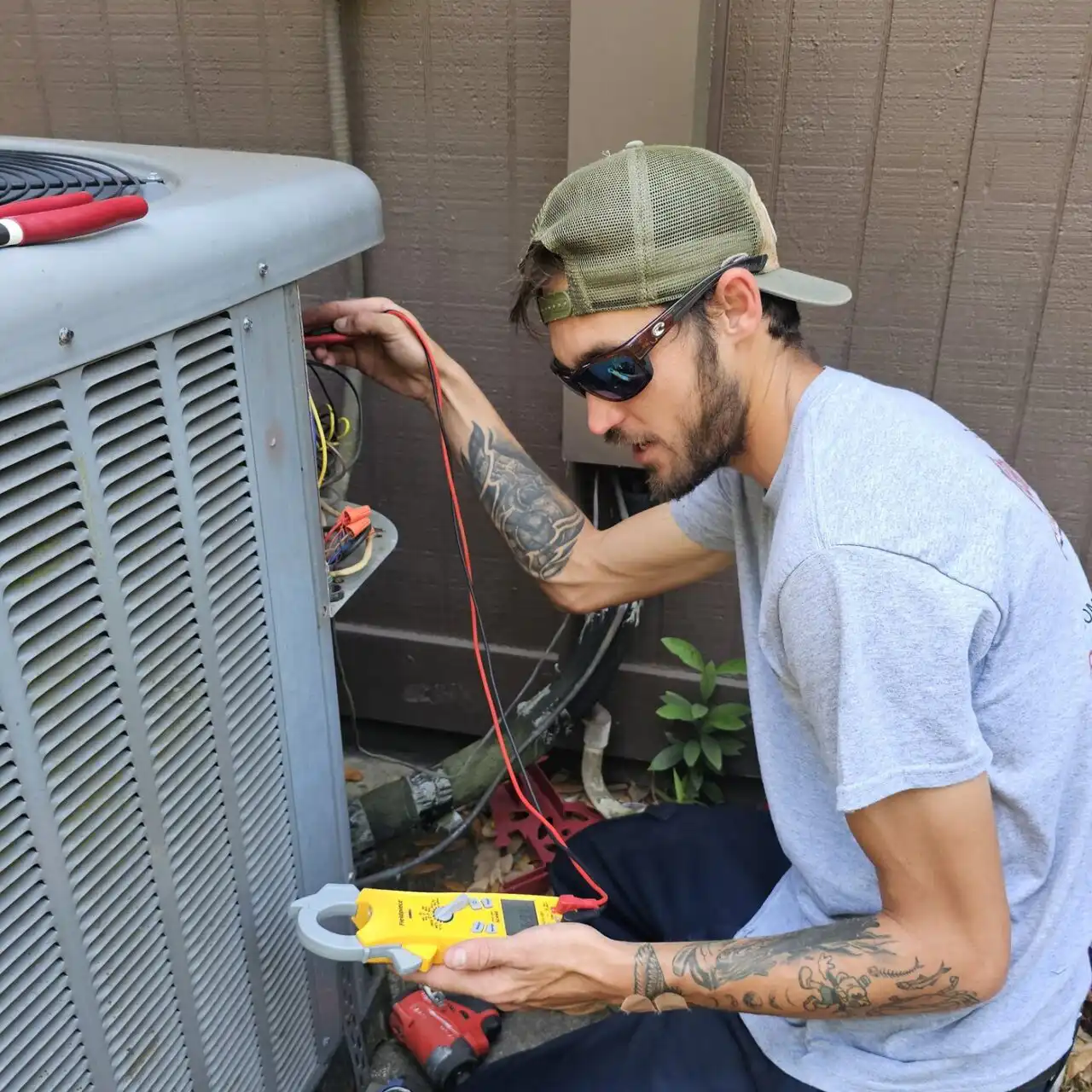
Many air conditioners give some warning before they fail. Before a breakdown, a system often starts working harder than it should, running longer, moving less air, and struggling to keep the house comfortable. Because an AC working too hard still blows cool air most of the time, the warning signs are easy to miss until the day it quits.
Tampa Bay summers start early and end late, and the air stays humid through most of them, so a home’s cooling system gets very little time off. Here are the signs to watch for, a few things you can check yourself, and why catching the problem early is usually the less expensive path.
What It Means When Your AC Is Working Too Hard
Your air conditioner is built to move a set amount of heat out of your home in a set amount of time. When something gets in the way, it has to run longer and push harder to do the same job. The usual culprits are a dirty filter or coil, a refrigerant charge that has dropped because of a leak, an outdoor unit that cannot shed heat, and ductwork that leaks cooled air into the attic.
None of these stop the system right away. They add wear a little at a time, mostly on the compressor and fan motors. ENERGY STAR notes that dirty coils make a system run longer, raising energy costs and shortening the life of the equipment.
It Runs Longer Than It Used To
Long run times are often the first sign. On a hot August afternoon, long stretches are normal. The warning comes when the system runs nearly nonstop on mild mornings and evenings too, or runs all day while the house sits a few degrees above the thermostat setting.
Watch the pattern more than any single day. If your system used to catch up by early evening and now it never does, something has changed. This is different from an AC that keeps turning on and off every few minutes. An overworked system has the opposite problem: it rarely gets a break at all.
Weak Airflow or Air That Is Not Very Cold
Hold your hand over a supply vent. If the air feels weaker than it used to, or cool rather than cold, the system is not moving heat the way it should. Weak airflow often traces back to a clogged filter, a dirty evaporator coil, or a struggling blower. Warm air at the vent can point to a dirty outdoor coil or low refrigerant.
Either way, the system has to run longer to reach the same temperature. AC coil cleaning can restore airflow and cooling that a dirty coil has been holding back. If only a few rooms have gone weak, a leaking or crushed duct may need duct replacement.
The House Feels Sticky Even When It Is Cool
Your air conditioner removes moisture as it cools, and it needs a clean coil and steady airflow to do that part of the job well. When dirt coats the coil or airflow drops, the system has a harder time pulling water out of the air, so rooms can feel damp and clammy even with cool air coming from the vents. A humid house has other causes too, including a system that is too large for the home, which we cover in our guide to how Florida humidity affects your HVAC system.
Damp air feels warmer than dry air at the same temperature, which tempts you to turn the thermostat down and adds more load to a system that is already behind. If a house that used to feel crisp now feels sticky, it is worth a closer look.
Higher Bills and New Noises
An AC working too hard uses more electricity, because every extra hour of run time shows up on the meter. If your power bill is noticeably higher than the same month last year and nothing else in the house has changed, longer run times are a likely reason.
Listen to the equipment too. Buzzing, rattling, or grinding from the outdoor unit, a fan that sounds labored, or a breaker that trips when the system starts can all point to parts under stress. Left alone, that strain can reach the compressor, one of the most expensive parts to replace, so any of these is worth a professional AC repair visit before it becomes a full breakdown.
Simple Checks You Can Do First
A few quick checks can rule out the easy causes. Start with the air filter. ENERGY STAR recommends inspecting, cleaning, or changing it once a month, and the U.S. Department of Energy says routinely replacing or cleaning filters can lower an air conditioner’s energy use by 5 to 15 percent.
Next, clear leaves, grass clippings, and anything stacked against the outdoor unit, and trim back shrubs so it can release heat. Inside, walk through each room to check that no couch, bookcase, or rug is covering a supply vent or return, and confirm the thermostat is set to cool with the fan on auto. Many smart thermostats also show daily run time, which makes a change much easier to spot.
Why Early Service Costs Less Than a Breakdown
If the filter is clean, the outdoor unit is clear, and the signs are still there, the cause is likely something a homeowner cannot fix: a refrigerant leak, a dirty coil, a weak electrical part, or a duct problem. These are usually smaller repairs when caught early. Left alone, the strain can take out a motor or compressor, turning a service call into a much bigger bill at the time of year you need cooling most.
A tune-up gives a technician the chance to measure refrigerant levels, rinse the outdoor coil, inspect the indoor coil and blower, test how the system runs, and spot wear before it becomes a failure. A maintenance agreement puts those visits on a schedule, ideally in early spring, so your system gets checked before the hottest months instead of after something goes wrong.
Don’t Wait for Your AC to Give Out
An AC working too hard usually gives you a warning for a while before it quits. Long run times, weak airflow, a sticky house, rising bills, and new noises are all worth taking seriously in a climate where the system runs most of the year. Check the filter and the outdoor unit first. If the signs are still there, call Vortex Heating & Cooling at 813-427-9100. We serve homeowners across Pasco, Hillsborough, Pinellas, and Hernando counties. Our technicians can find out what is straining your system and walk you through the options for fixing it.