
How Often Should You Service Your AC Unit?
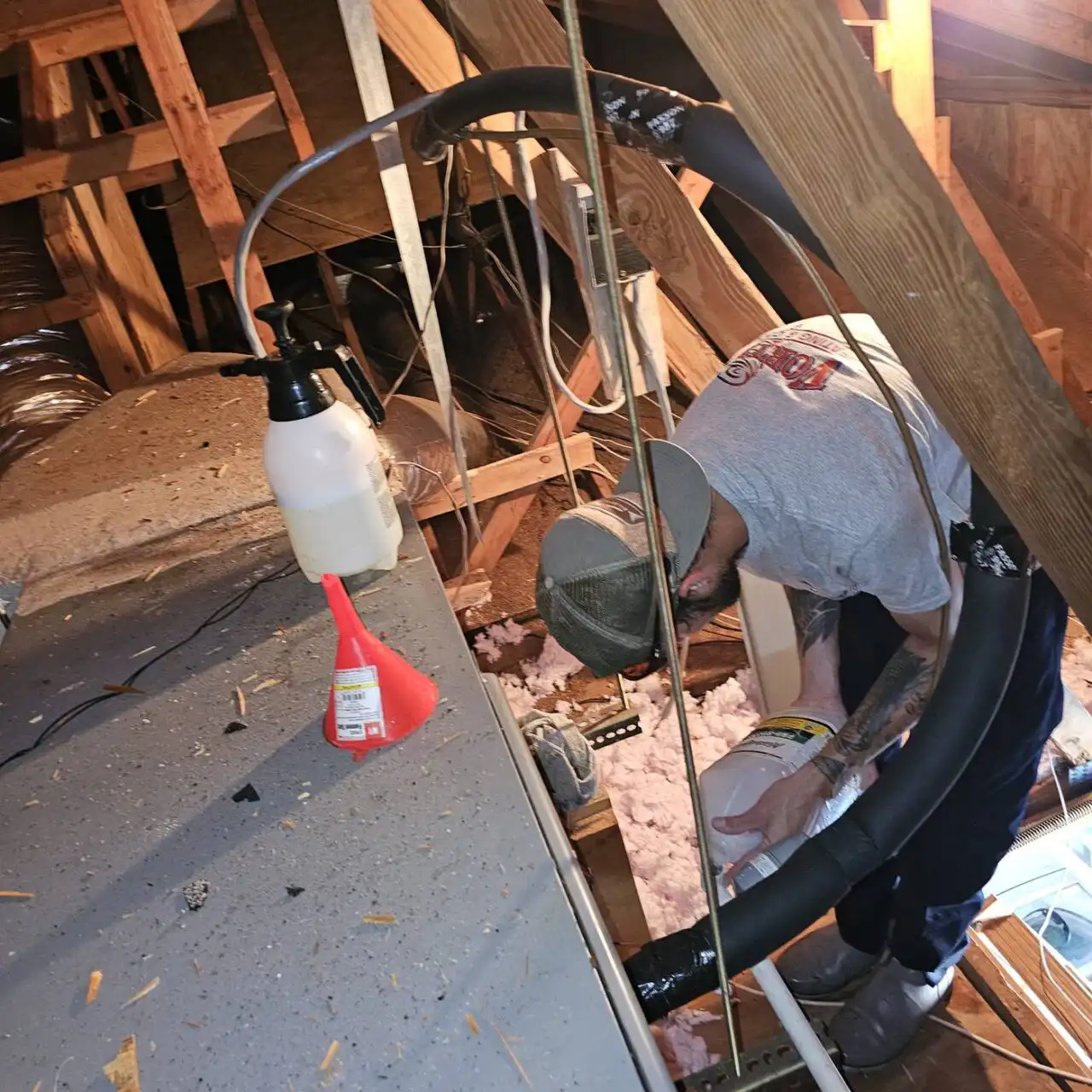
Most people only think about their air conditioner when something goes wrong. In Florida that is an expensive habit, because the system here almost never gets a break. In a northern state an AC might run hard for three months a year. On the Gulf Coast it runs most of the year, and in a humid summer it can run for the better part of the day. All that extra runtime is why a service schedule that works fine elsewhere leaves Florida systems worn out early.
So how often should you service your AC unit? For most homes in this area, twice a year. Here is what that actually covers, what happens when it gets skipped, and how to tell whether your system is overdue right now.
Twice a Year Is the Florida Answer
The general advice you will find online is once a year. That is written for climates where the system sits idle half the year. Here, the cooling season is long enough that one visit leaves a big gap, and most manufacturers write their maintenance expectations around regular professional service rather than a single annual look.
A practical schedule for this area is a full service in spring, before the system starts carrying the summer load, and a second visit in autumn once the hardest months are behind it. The spring visit is about making sure it can handle what is coming. The autumn visit is about catching the wear that the summer just put on it, which is the one most people skip and the one that tends to find real problems.
What a Professional Tune-Up Actually Includes
A proper service visit is not someone glancing at the unit and changing a filter. It is a set of checks on the parts that fail most often. Refrigerant charge gets measured, because a system running low is working harder than it should and the shortfall almost always means a leak. Electrical connections get checked and tightened, since loose contacts are a common cause of a system that will not start. The blower and motor get inspected for wear. Temperature split across the coil gets measured, which is the clearest single indicator of whether the system is performing the way it should.
Then there is the cleaning. The outdoor coil collects dirt, grass clippings and pollen, and a coil cleaning restores the heat transfer that layer has been blocking. The condensate drain gets cleared, which in this climate matters more than almost anything else on the list. Our HVAC service and repair visits work through this list rather than a quick visual pass.
The Drain Line Is the Florida Specific Risk
Everywhere has dirty filters. Florida has clogged drain lines, and they bring us out on short notice more than almost anything else.
Your air conditioner pulls a remarkable amount of moisture out of the air in a humid month, and all of it leaves through one narrow pipe. That constant moisture plus warmth is exactly what algae and sludge need to build up inside the line. When it finally blocks, the water has nowhere to go. Some systems shut themselves off on a safety switch. Others simply overflow into the pan, through the ceiling, or across the floor. A drain line cleaning during routine service takes minutes. A ceiling repair does not.
What Skipping Service Actually Costs
The cost is not usually one dramatic failure. It is a slow slide you stop noticing.
A dirty coil makes the system run longer to reach the same temperature, and that shows up on the power bill every month rather than all at once. Low refrigerant does the same thing while putting strain on the compressor, which is the most expensive part in the system. A worn capacitor gives warning signs for weeks before it strands you. By the time a neglected system fails outright, it has usually been costing money quietly for a long time, and the failure tends to arrive during the first serious heat of the year, when every HVAC company in the county is already booked.
Signs You Are Already Overdue
Some of these are easy to spot. Bills climbing while your habits have not changed. The system running noticeably longer than it used to. Rooms that never quite match the thermostat. Air that is cool but leaves the house feeling damp and sticky.
Others are easier to miss. New sounds at startup, a faint musty smell when the air first comes on, or water staining near the indoor unit. Any one of those is worth a call rather than a wait. If you cannot remember the last time anyone serviced the system, that is its own answer.
What You Can Do Between Visits
Filters are the one job that is genuinely yours, and they matter more here than most places. Check yours monthly during heavy use and change it when it looks loaded rather than waiting for a date on the calendar. A restricted filter makes the blower work harder and can freeze the coil.
Keep the outdoor unit clear by a couple of feet on all sides, and trim back anything growing into it. Rinse the fins gently with a hose if they look dirty, with the power off. Keep an eye on the drain line outlet during humid months, because it should be dripping steadily when the system runs. If it is dry while the AC works hard, something is wrong.
Why a Maintenance Plan Usually Pays for Itself
Two visits a year booked individually is easy to put off, and most people do. A maintenance agreement solves that by scheduling them for you, and it generally works out cheaper than paying per visit.
The bigger benefit is quieter. Problems get found while they are still small, your system holds its efficiency instead of sliding, and the service history matters if a warranty claim ever comes up, since most manufacturers expect documented maintenance. Air quality improves as a side effect too, because clean coils and clear drains mean less of the moisture and dust that feed mould and odours. If that is a particular concern in your home, our indoor air quality options go further.
For reference, the ENERGY STAR maintenance checklist and the Department of Energy both set out the same core items a good service visit should cover.
Schedule Your Next Service Before the Season Turns
Autumn is the quiet window. The brutal months are over, the spring rush has not started, and scheduling is easy. It is the best time of year to have someone look properly at a system that just worked hard for months.
Vortex Heating and Cooling is a family-owned company serving Pasco, Pinellas, Hillsborough and Hernando County homeowners, with more than twenty years of HVAC experience. Call 813-427-9100 or contact us to get your service booked.